
Battery Thermal Management Systems Engineered for the High Energy Demands of an Electric Articulated Bus

Battery temperature has a direct influence on the performance of high-capacity electric buses. During daily operations, frequent acceleration, heavy passenger loads, and repeated charging sessions place considerable demands on the battery system. Thermal management helps maintain suitable operating conditions while supporting energy efficiency, battery durability, and consistent vehicle availability.
For an electric articulated bus, these demands become especially important because larger vehicles often carry more passengers and operate on busy urban routes. Battery thermal management systems must respond to changing temperatures, driving conditions, and charging requirements without placing unnecessary strain on the vehicle’s energy supply.
Why High-Capacity Buses Need Thermal Control
Large electric buses require substantial energy for propulsion, cabin climate control, and onboard electrical equipment. When the vehicle accelerates or climbs a gradient, the battery supplies higher current. This increases internal heat generation, particularly during demanding operating periods.
Temperature differences can also develop between individual battery cells or modules. Uneven temperatures may cause differences in cell performance and aging rates. Effective thermal management aims to reduce these variations through controlled heat transfer and temperature monitoring.
Passenger numbers influence the operating environment. Fully loaded articulated buses have greater total mass, which can increase propulsion energy consumption. Frequent stops also create repeated discharge and regenerative braking cycles. Engineers must consider these patterns when designing battery cooling and heating systems.
How Battery Cooling Systems Manage Heat
Liquid cooling is commonly used in high-energy electric vehicle battery systems. Coolant circulates through dedicated channels or cooling plates, transferring heat away from battery modules. The collected heat can then be rejected through a heat exchanger, depending on the system configuration.
Cooling performance depends on coolant flow, heat exchanger capacity, and the thermal contact between battery components. Engineers must balance temperature regulation with the electricity consumed by pumps and cooling equipment. Excessive auxiliary energy use can reduce the energy available for driving.
Sensors provide temperature information to the battery management system. Control software can adjust cooling operation when operating conditions change. If temperatures approach defined protection limits, the vehicle may restrict charging or discharge power according to its control strategy.
Cooling equipment also needs regular inspection. Technicians should check coolant condition, pump operation, connections, and possible leaks according to the manufacturer’s maintenance instructions. Restricted coolant circulation or faulty sensors may cause temperature problems even when the battery itself remains functional.
Charging Conditions and Temperature Stability
Charging produces heat within battery cells because of internal electrical resistance. Higher charging currents can increase thermal demand. Fleet operators should therefore evaluate charger power, battery temperature limits, and available parking time together rather than treating charging speed as an isolated requirement.
Depot charging and opportunity charging create different operating patterns. Depot charging often provides longer stationary periods, while opportunity charging uses shorter breaks between scheduled services. Each arrangement changes the available time for temperature recovery and energy replenishment.
Cold weather introduces another challenge. Low cell temperatures can restrict charging acceptance and increase internal resistance. Battery heating or preconditioning may improve charging readiness when supported by the vehicle’s system. Operators should follow the manufacturer’s specified temperature and charging limits.
Route schedules should also include realistic charging margins. Delays caused by traffic, passenger boarding, or charger availability may shorten charging windows. These factors affect thermal recovery and vehicle readiness, particularly when buses operate several shifts each day.
Vehicle Selection and Thermal Management Planning
Battery capacity is an important consideration when specifying electric buses for high-demand routes. Larger energy storage systems can support longer operating distances, but thermal requirements also depend on battery chemistry, cell arrangement, discharge rates, and cooling architecture. Yutong Bus offers the U18 for high-capacity urban public transport applications.
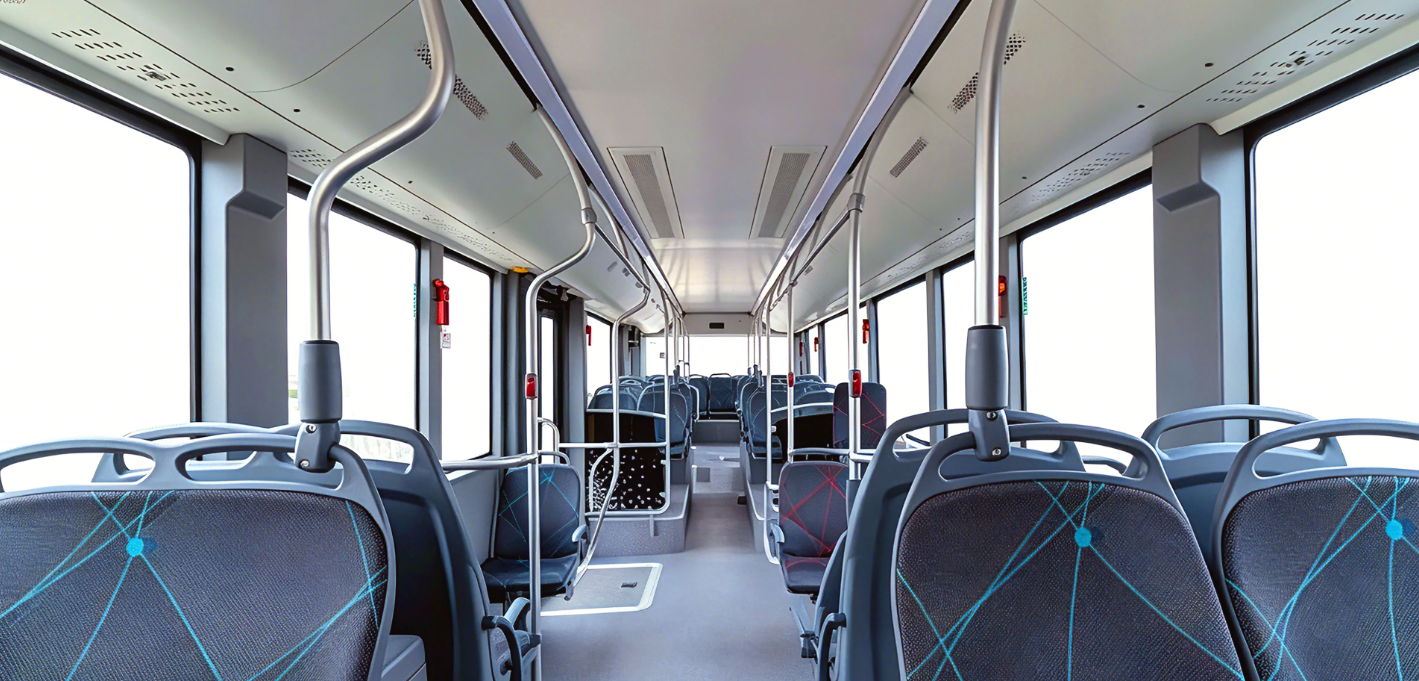
The U18 is an 18-meter battery electric bus designed for main roads in central urban areas. It accommodates up to 125 passengers and offers battery capacity options of 621 kWh and 704 kWh. Its spacious passenger layout and intelligent vehicle features address the requirements of busy public transport operations.
These specifications provide a useful starting point for fleet planning. However, battery capacity alone does not establish thermal performance or practical operating range. Procurement teams should request information about battery temperature limits, cooling system configuration, energy consumption, and charging compatibility before finalizing vehicle specifications.
For transport operators evaluating an electric articulated bus, Yutong Bus provides the U18 as a high-capacity electric transport option. Buyers should assess its stated vehicle specifications alongside local climate conditions, passenger demand, route frequency, and available charging infrastructure. These comparisons help determine whether the vehicle suits the intended service.
Thermal Management Supports Long-Term Operations
Effective battery thermal management involves more than removing heat during operation. It also requires appropriate charging schedules, regular maintenance, and monitoring of battery conditions. Operators should review temperature records and investigate unusual performance changes before they affect scheduled services.
Fleet procurement decisions should consider the complete operating environment. Battery capacity, cooling requirements, charging arrangements, and passenger demand all influence vehicle suitability. Coordinating these factors helps operators manage energy consumption, protect battery components, and maintain dependable public transport services.
