
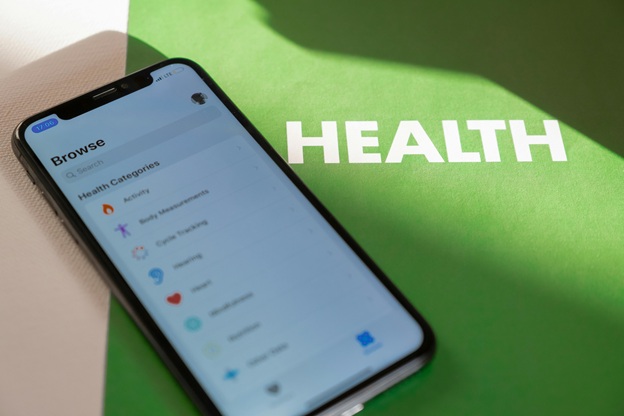
Digital health tools didn’t arrive as a big moment. There was no switch being flipped. No announcement that things were about to change. They simply started turning up in everyday situations. An appointment confirmation landed in an inbox instead of requiring a phone call. Test results became something to check online rather than wait for in the post. A reminder appeared at the right time, quietly, instead of being written down and missed.
At first, none of it felt important. It still doesn’t feel dramatic. But slowly, those small changes reshaped how care fits into daily life. Healthcare didn’t suddenly become simple, but it became easier to manage alongside everything else.
What feels different now is how ordinary it all seems. There was a time when healthcare came with a kind of heaviness, such as waiting rooms, paperwork, and explaining the same details over and over. Digital tools haven’t removed the need for people or conversations, but they have eased the build-up around them. The interaction still matters. The road leading to it just feels less tiring.
Noticing Things Earlier, Without Overthinking Them
Care has long followed a familiar pattern. Something feels off. An appointment is booked. Details are pieced together from memory. Digital platforms soften that process. Health apps, patient portals, and connected devices make it easier to notice small changes before they demand attention.
Sleep patterns, daily movement, and heart rate trends; these details often sit quietly in the background now, especially for those managing long-term conditions. When shared carefully, they don’t overwhelm conversations. They simply help paint a clearer picture. They don’t try to replace judgment or experience. They support it. The World Health Organization continues to frame digital health as a way to strengthen prevention and patient involvement when technology stays in a supporting role rather than trying to take control.
When Convenience Means Fewer Disruptions
Convenience in healthcare isn’t about doing things faster for the sake of it. It’s about removing interruptions that don’t need to exist. Booking online avoids waiting on hold. Secure messages replace trips that don’t add much value. Digital records mean fewer moments spent starting from the beginning.
These changes feel small, but they affect consistency. Appointments are easier to keep. Follow-ups happen with less delay. On the provider side, fewer administrative tasks mean more space for actual care. Tools like the NHS App reflect this shift by making access simpler while keeping services connected and familiar.
When Health Information Feels More Steady
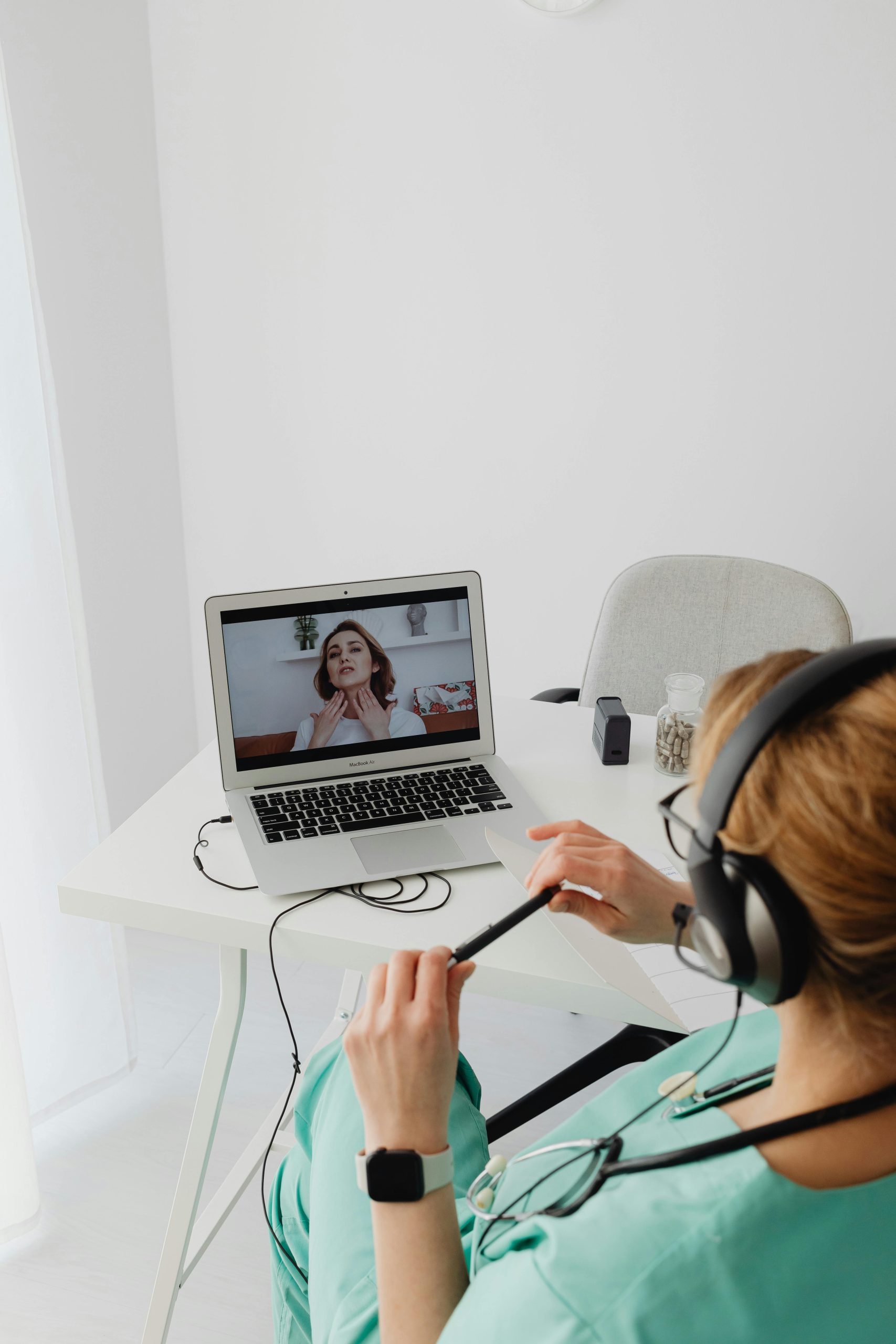
Digital health tools collect information all the time, but clarity comes from how that information is handled. Symptom logs, medication reminders, and health histories give shape to conversations that once relied on vague recall.
This makes it easier to notice gradual changes rather than isolated moments. It also makes discussions feel calmer. Less guesswork. Fewer loose ends. The most helpful tools aren’t the ones that record everything. They’re the ones that quietly point to what actually needs attention.
Why Local Care Still Matters
Technology makes it easier to reach services, but it doesn’t replace local care. Many forms of treatment still depend on in-person assessment, trust, and familiarity over time. Digital tools often act as the connection rather than the endpoint.
Search platforms and health directories now help people find nearby services that combine modern systems with hands-on care. When someone looks for reliable and trustworthy dental support with clear communication and digital access, a Kensington dentist may appear through these searches, helping narrow choices and remove some of the uncertainty that often comes with deciding where to go.
Trust, Privacy, and Quiet Decisions
As digital health becomes part of normal life, expectations change. People notice where information goes and how it’s handled. Trust doesn’t come from bold claims. It builds slowly, through consistency and transparency.
Regulatory standards continue to evolve alongside technology, setting boundaries that protect users while allowing systems to improve. When tools feel respectful and clear, people use them without hesitation. When they don’t, hesitation appears almost immediately.
What Comes Next Feels Subtle
The next phase of digital health doesn’t feel loud or disruptive. It’s less about launching something new and more about making existing systems work together better. Tools that integrate smoothly, avoid repetition, and fit naturally into real workflows are becoming more common. As this happens, care feels easier to manage without becoming distant or impersonal. The experience becomes less fragmented, shaped more around real schedules and real needs.
Digital health tools aren’t changing care by pushing people aside. They’re changing how care fits into everyday life. By removing small but persistent obstacles, they make healthcare feel lighter, clearer, and, without trying too hard, more human.