
How to Keep Your Car Running Longer: What Every Indian Driver Should Know About Engine Oils and Brake Fluids

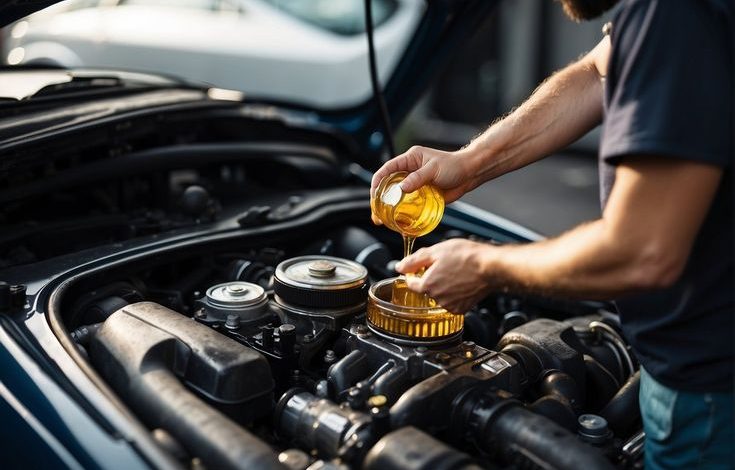
Whether you drive a hatchback through Chennai traffic, a sedan on Mumbai’s expressways, or a two-wheeler through the lanes of a busy town, one thing is true for every vehicle owner: the health of your engine and braking system depends almost entirely on the quality and condition of the fluids inside them. Most drivers know they should change their oil — but far fewer understand what those fluids actually do, or why the chemistry inside them matters for everyday driving.
Engine Oil: It Starts with the Base
Every engine oil you pour into your car is built on a foundation called base oil. Think of it as the carrier — the main ingredient that the oil is made from, before any performance additives are mixed in. The quality of the base oil directly determines how well the final product protects your engine.
Base oils are classified from Group I to Group V. Cheaper mineral oils fall into the lower groups and break down faster, especially in India’s hot climate where engine temperatures run high. Higher-quality Group III and Group IV synthetic base oils maintain their protective properties much longer, resist oxidation in heat, and provide better fuel efficiency — which matters when petrol prices are what they are.
When you pay more for a branded synthetic engine oil, a big part of what you’re paying for is a higher-quality base oil. The difference shows up in engine wear over time — particularly for vehicles that see heavy stop-and-go traffic conditions every day.
Brake Fluid: The Safety Item Nobody Talks About
Ask most car owners when they last changed their brake fluid, and you’ll likely get a blank look. Unlike engine oil, brake fluid is invisible, odourless, and doesn’t obviously degrade — so it gets ignored. That’s a mistake.
Brake fluids are hygroscopic, which means they absorb moisture from the air over time. As moisture content increases, the boiling point of the fluid drops. In heavy braking — on a long ghat road descent, during an emergency stop, or in the kind of bumper-to-bumper traffic where brakes are constantly applied — overheated brake fluid can vaporize in the lines, causing brake fade or complete brake failure.
For Indian driving conditions, which often involve both extreme heat and demanding road situations, checking and replacing brake fluid at manufacturer-recommended intervals is a basic safety measure that deserves far more attention than it typically receives.
Anti-Wear Additives: The Invisible Protection Layer
Modern engine oils don’t just lubricate — they protect. One of the most important additive categories is anti-wear agents, which form a protective film on metal surfaces inside the engine. When two metal surfaces come into brief contact — as happens constantly in a running engine — this film takes the wear instead of the metal itself.
For high-mileage vehicles, older engines running in hot conditions, or any vehicle that spends long hours idling in traffic, anti-wear additive quality in the engine oil makes a real, measurable difference to engine longevity.
The Simple Takeaway
You don’t need to be a mechanic to protect your vehicle. Use quality oil built on good base stock, keep your brake fluid fresh, and make sure the oil you choose has a proper additive package. These three habits will keep your car or bike running longer and safer — wherever the road takes you.