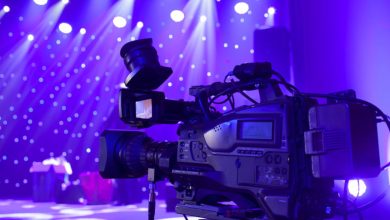
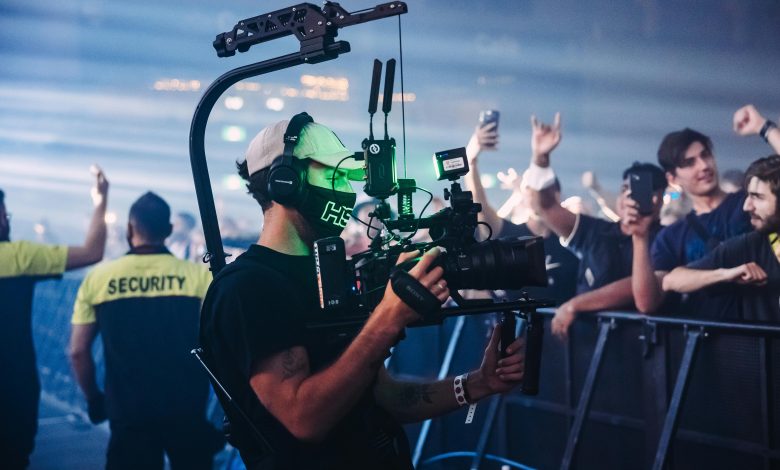
When people arrive at a large event, most of what they notice is what’s in front of them. The stage looks ready. The speakers are already humming. Staff are positioned where they need to be. Nothing feels rushed. Nothing feels fragile. That sense of order is rarely accidental.
What usually goes unseen is the amount of coordination happening at the same time, often across large and crowded sites. Music festivals, sporting events, exhibitions, and public gatherings all operate under conditions that can change quickly. Technology sits quietly inside that environment, not as a headline feature, but as something everything else leans on.
Once attendance moves into the thousands, planning alone is no longer enough. Systems have to respond in real time. When they don’t, problems surface fast.
Real-Time Communication Systems
Communication is often where cracks appear first. Mobile phones are familiar and easy to use, but at busy events, they are unreliable. Networks slow down. Calls drop. Messages arrive late or not at all. During peak moments, entry rushes, performance changeovers, or sudden weather shifts that delay matters.
This is why two-way radio systems still play such a central role in event operations. They work independently of public networks and allow entire teams to hear the same information at the same time. Security, production crews, medical staff, logistics teams, everyone stays on the same channel, literally and operationally.
In fast-moving situations, clarity matters more than comfort. Purpose-built radio equipment is designed for noise, distance, and continuous use. It is not elegant technology, but it is dependable. At events, that usually counts for more.
Crowd Monitoring and Safety Technology
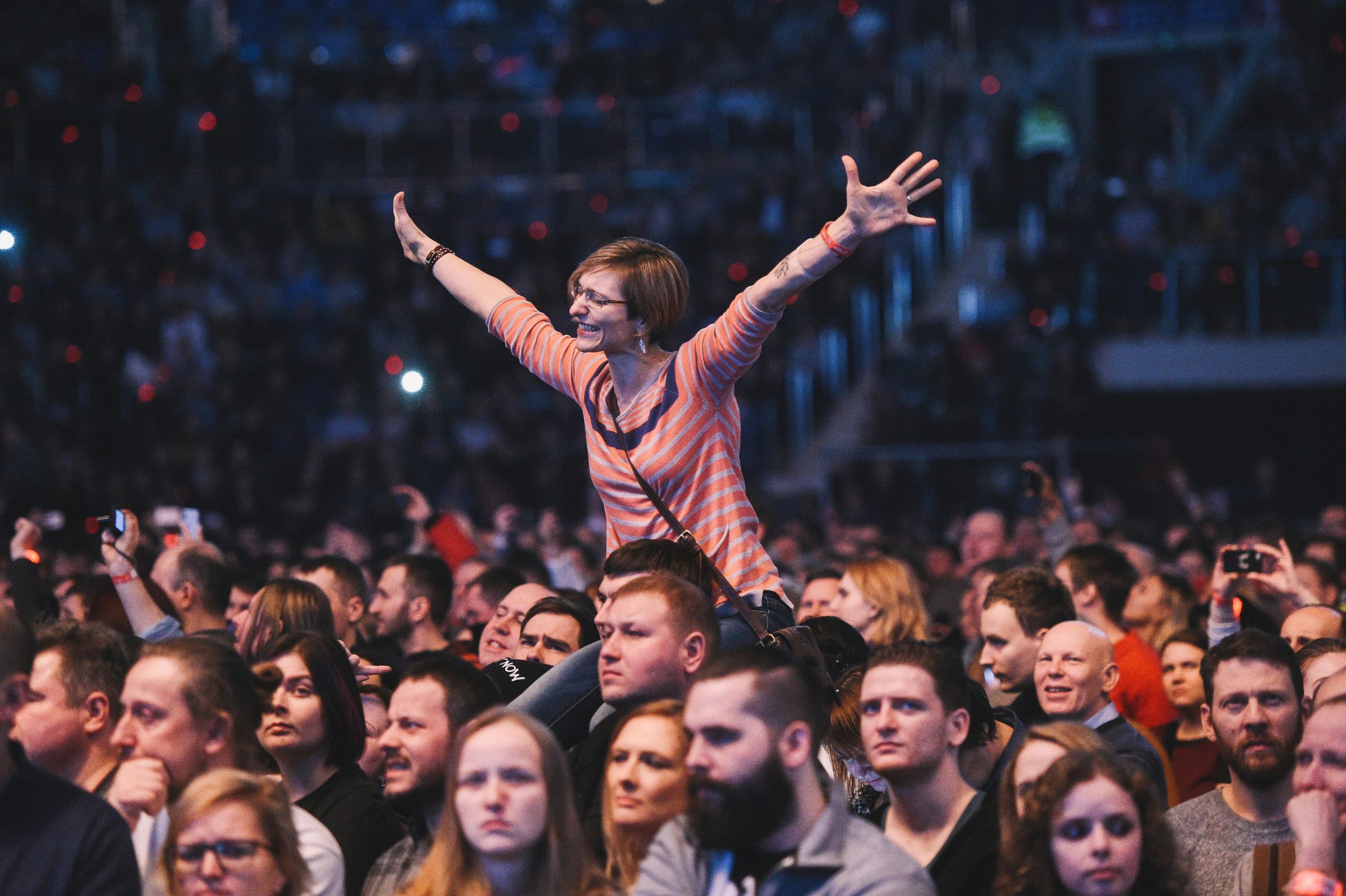
Crowds don’t move evenly. They compress, stretch, pause, and surge. Sometimes for obvious reasons, sometimes for none at all. Managing that movement safely takes more than experience on the ground. It requires visibility.
Modern events rely on camera systems, controlled access points, and crowd-density monitoring to understand what is happening across a site. These tools don’t replace staff. They support them. They show where pressure is building before it becomes a problem.
Ticketing systems, RFID wristbands, and managed entry zones help reduce congestion at gates and limit access to sensitive areas. When used properly, they make movement feel natural rather than controlled. That distinction matters, especially at events where atmosphere is part of the experience.
Safety guidance for large events continues to evolve, with updates from bodies such as the UK Health and Safety Executive remaining a key reference point.
Power, Infrastructure, and Redundancy
Most large events are temporary by design. Power systems, communication networks, lighting rigs, and control rooms are assembled quickly and expected to perform without interruption. There is very little margin for error.
Backup generators, redundant cabling, and layered fail-safes are standard for a reason. Lighting, sound, medical equipment, and operational hubs all depend on stable power. When one system fails, others need to take over immediately.
Weather shifts, equipment faults, and unexpected demand are not exceptions. They are part of live event reality. Infrastructure planning increasingly reflects this, borrowing from practices used in essential services where continuity is non-negotiable.
Data-Driven Event Management
Data has become part of daily decision-making at major events. Control rooms track crowd flow, staff deployment, incident reports, and system performance throughout the day. This information shapes how teams respond minute by minute.
When data is available in real time, decisions are based on what is actually happening, not assumptions. Resources can be moved. Routes can be adjusted. Issues can be addressed early. This approach mirrors how complex environments like transport networks and industrial sites are managed.
Research from organisations such as Deloitte highlights how real-time data supports operations under pressure.
Coordinated Logistics and On-Site Teams
What people see on stage or on the field represents only a fraction of what is happening behind the scenes. Equipment deliveries, build schedules, catering, sanitation, medical services, and security all operate on tight timelines, often overlapping.
Technology helps keep these efforts connected. Updates need to move quickly. Instructions need to be clear. When plans change as they often do, teams need to adapt without confusion.
Specialist providers such as Roadphone NRB support this environment by supplying professional two-way radio systems and on-site technical expertise. Their role fits into a wider operational structure, supporting communication where reliability matters more than experimenting with new tools or untrusted technology.
Why This Technology Matters More Than Ever
Public expectations around event safety and organisation are higher than they once were. Events are judged not just by performances or attendance figures, but by how well they handle pressure when conditions shift.
Recent large-scale gatherings have made one thing clear: situations can change quickly, and response time matters. Technology helps teams stay calm, coordinated, and informed when it counts.
When everything works, most people never notice. That is usually the point. The strongest systems are the ones that stay out of sight, doing their job without demanding attention.