
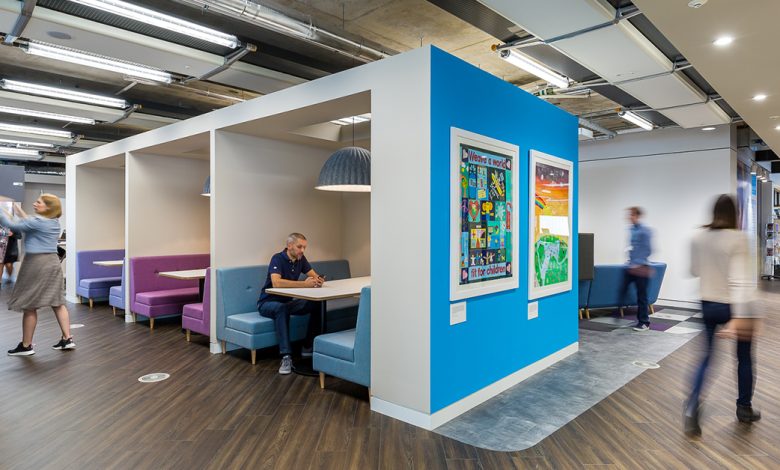
Creating the ideal office space is more than a design challenge— it’s a strategic business decision. The physical environment in which employees work has a direct impact on productivity, collaboration, focus, and overall company culture. Whether you’re preparing for a new buildout or remodeling an existing location, taking time to thoughtfully plan each element of your workspace can lead to better performance and greater satisfaction for teams at every level. Below are valuable insights to help you shape an office environment that supports both your business operations and long‑term organizational goals.
Evaluate Your Space Needs Thoroughly
Before any major decisions are made, take a close look at the functional needs of your organization. Consider how teams operate, how meetings typically occur, and what types of spaces your employees use most. Some companies benefit from designated quiet rooms and private offices, while others thrive in open, collaborative layouts. Map out your workflows, employee count, anticipated growth, and storage requirements. This foundational assessment helps eliminate guesswork, ensuring that the final layout truly aligns with day‑to‑day business demands.
Prioritize Comfort, Health, and Ergonomics
Employee comfort plays a significant role in productivity and retention. Investing in ergonomic furniture—such as adjustable chairs, sit‑stand desks, and properly positioned monitors—can reduce fatigue and support physical well‑being. Good lighting is equally important. Natural light can reduce eyestrain and improve mood, but well‑designed artificial lighting can also create a balanced environment. Additionally, consider acoustics. Excessive noise is one of the most common workplace complaints, so integrating sound‑absorbing panels, carpeting, or quiet zones can dramatically improve the atmosphere and overall employee satisfaction.
Create Flexible, Multi‑Purpose Spaces
Modern offices increasingly rely on adaptable spaces that can serve multiple functions throughout the workday. Movable partitions, modular furniture, and convertible meeting rooms can help businesses quickly shift from focused work to collaborative sessions. These flexible zones can also support hybrid work models by accommodating changing team sizes and schedules. Even small offices benefit from this approach, maximizing utility without requiring a larger footprint. When flexibility is thoughtfully incorporated, your office remains future‑ready as business needs evolve.
Incorporate Branding and Culture into the Design
Your office environment acts as a physical reflection of your company’s identity. Integrating brand colors, mission statements, creative artwork, or industry‑specific displays can help reinforce culture and pride among employees. These elements don’t need to be overwhelming; even subtle visual cues can create a cohesive and energizing atmosphere. Consider how clients, partners, and new hires will perceive your space. A well‑branded environment communicates professionalism and confidence while fostering a sense of unity within the team.
Plan for Long‑Term Maintenance and Infrastructure
A high‑performing office requires forward‑thinking decisions about infrastructure and maintenance. This includes ensuring that HVAC systems are reliable, wiring is sufficient for evolving technology, and foundational building elements are up to date. If your office is located in an older building—or you’re renovating a space—pay special attention to exterior structures that may require upgrades, such as windows, insulation, or even a roof replacement. Proactive planning in these areas minimizes long‑term disruptions and helps your office remain safe, efficient, and cost‑effective.
Integrate Technology Seamlessly
Technology is at the heart of today’s workplace. When designing your office, ensure that tech infrastructure is not an afterthought. Built‑in charging stations, strong Wi‑Fi coverage, well‑placed outlets, and dedicated spaces for video conferencing all help employees work more efficiently. Consider the tools your business relies on most, whether it’s cloud‑based software, specialized equipment, or digital collaboration platforms. A tech‑forward office supports smoother workflows and helps teams stay connected, especially when accommodating hybrid or remote staff.
Conclusion
Building the best office space for your business involves careful planning, thoughtful design, and a clear understanding of how your teams operate. By focusing on comfort, flexibility, branding, long‑term infrastructure, and seamless technology integration, you can create an environment that supports productivity and strengthens company culture. The right office setup not only elevates daily operations but also positions your business for future success.